Local, Fair, and Clean: The New Standard in Ethical Commerce
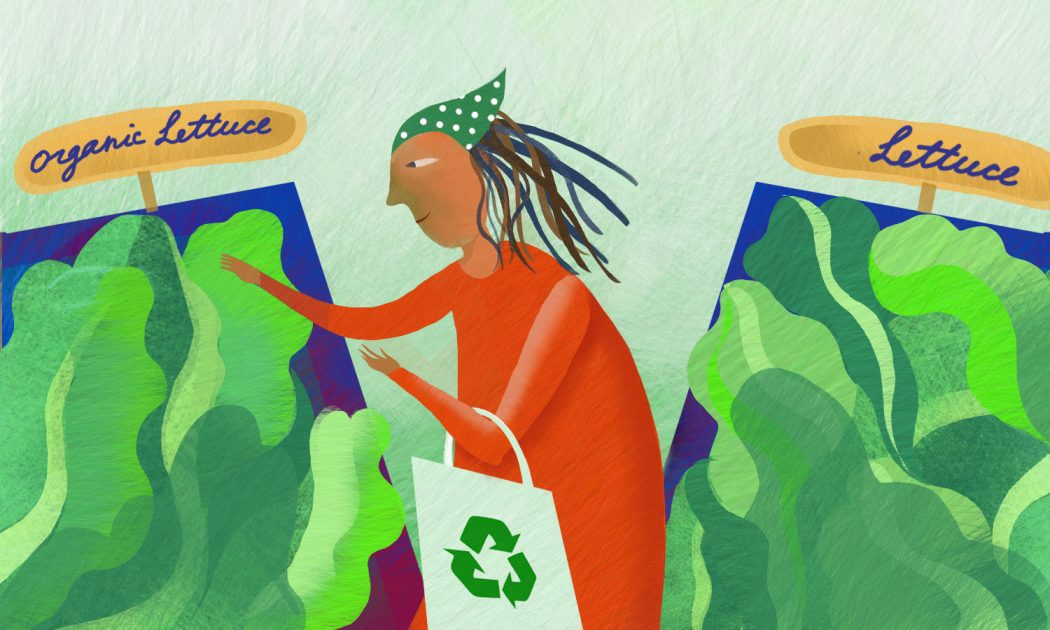
In the past, “business as usual” meant maximizing profits at any cost. But today’s consumers are no longer buying into that model—literally and figuratively. They’re looking for more than just a transaction; they’re demanding transparency, responsibility, and integrity from the brands they support. That’s where the ethical commerce standard emerges—not as a trend, but as a transformative new benchmark in how business is done.
Redefining What Business Stands For
Gone are the days when ethical considerations were an afterthought or a marketing gimmick. Now, ethics are becoming the DNA of progressive enterprises. The ethical commerce standard isn’t merely a label. It is a comprehensive framework that considers environmental stewardship, social equity, and local empowerment all at once.
This standard champions local sourcing, champions fair treatment of all workers, and insists on low-impact or regenerative environmental practices. In doing so, it shifts the paradigm from a purely capitalist mindset to one rooted in collective responsibility.
Why Local Matters More Than Ever
Supporting local isn’t just feel-good economics—it’s intelligent commerce. Local sourcing cuts down on transport emissions, reduces logistical complexity, and strengthens community economies. When businesses adopt localized supply chains, they build resilience while cultivating trust among their consumer base.
From farm-to-shelf food co-ops to locally-manufactured apparel, proximity now equates to purity. It not only brings down the carbon footprint but also allows for better oversight and quality assurance. Under the ethical commerce standard, locality is no longer optional—it’s a powerful differentiator.
Fairness Is the Foundation
Fairness in commerce doesn’t stop at paying a living wage. It spans contract transparency, gender equity, inclusive hiring practices, and ethical sourcing of raw materials. It means ensuring dignity across every link in the value chain—from growers and seamstresses to warehouse staff and couriers.
Adhering to a ethical commerce standard means companies must dig deep into their supply chains and root out exploitation. Certification bodies, worker unions, and grassroots audits are essential allies in ensuring that fairness isn’t just stated—it’s systematized.
Fairness also humanizes the brand. It allows businesses to move from faceless corporations to ethical collectives that people want to support and grow with.
Clean Is the New Cool
“Clean” in commerce refers not only to hygiene or transparency but also to the environmental footprint of operations. It demands zero-waste philosophies, biodegradable materials, energy-efficient logistics, and recyclable packaging. Clean commerce respects planetary boundaries while embracing innovation.
Startups and legacy businesses alike are now investing in closed-loop systems—designing products with their end-of-life in mind. They’re moving from linear to circular thinking, a core principle of the ethical commerce standard.
What’s more, clean business practices are increasingly becoming non-negotiable among eco-conscious consumers. These customers want to see sustainability baked into the DNA of a brand—not stapled on as an afterthought.
Technology Meets Ethics
Tech-enabled transparency is one of the most compelling tools to enforce the ethical commerce standard. Blockchain, for instance, allows consumers to trace the journey of a product from raw material to store shelf with immutable records. QR codes on packaging can now tell the full story of an item—who made it, where, and under what conditions.
Digital dashboards make environmental and social impact reporting accessible in real-time, and platforms using AI to optimize supply chains are minimizing waste like never before. Ethical commerce is no longer held back by operational hurdles—it’s being accelerated by technological breakthroughs.
The Rise of the Conscious Consumer
The modern consumer is well-informed, digitally native, and values-aligned. Price is still a factor, but not the only one. A product’s origin, impact, and ethos now influence purchase decisions as much as its features or benefits.
This is especially evident among Gen Z and Millennials who actively choose to boycott brands that fall short of ethical standards. They are loyal to transparency and unforgiving toward greenwashing. For these cohorts, embracing the ethical commerce standard isn’t just appealing—it’s essential.
From Marketing Slogan to Mission Statement
Many brands once flirted with the idea of ethical positioning. Now, it’s become foundational. But there’s a stark difference between performative messaging and actual transformation.
Those truly aligned with the ethical commerce standard integrate it into their mission statements, operational practices, and leadership priorities. It’s not a campaign—it’s a commitment.
Brands like Patagonia, Eileen Fisher, and Allbirds don’t just say they’re ethical. They audit, publish reports, collaborate with non-profits, and constantly evolve to raise the bar. This level of integrity doesn't just win awards—it earns lifelong customers.
Supply Chain as a Moral Compass
The real test of a company’s ethics lies in its supply chain. It’s easy to claim sustainability while outsourcing responsibility. But under the ethical commerce standard, that won’t fly.
Ethical companies know every tier of their suppliers. They conduct impact assessments, ensure cultural alignment, and take action when partners fall short. They see supply chains not as a cost center but as a story—one that must be aligned with their values from end to end.
Future-Proofing Through Values
Ethics are not just good for humanity—they’re good for business. Brands that adopt the ethical commerce standard enjoy more resilient supply chains, higher customer retention, stronger brand equity, and greater investor confidence.
Regulators are also catching up. Laws around transparency, emissions, and labor rights are tightening globally. Early adopters of ethical standards won’t be scrambling to comply—they’ll already be leading.
The Road Ahead
Ethical commerce isn’t a luxury. It’s becoming the baseline expectation. As this shift gains momentum, businesses that center local, fair, and clean practices will find themselves at the forefront of both profitability and purpose.
They won’t just ride the wave—they’ll shape it.
The ethical commerce standard is not just about doing less harm. It’s about actively doing good. It’s about shaping an economy that aligns with human values and planetary needs. The brands that rise to this challenge aren’t just future-ready—they’re future-defining.


Komentar
Posting Komentar